

Introduction
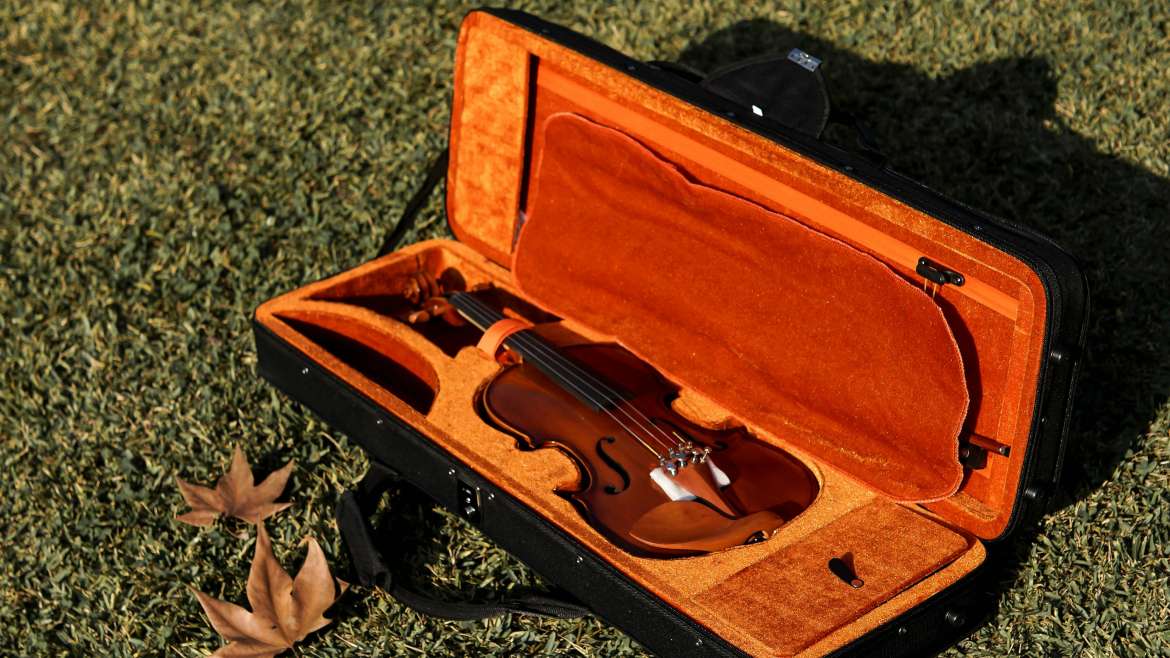
A violin is more than just a musical instrument—it is a finely crafted work of art that requires careful maintenance to preserve its sound and structure. One of the most essential accessories for any violinist is a high-quality case. A violin case is not just about convenience; it plays a crucial role in protecting the instrument from physical damage, environmental factors, and theft. This article explores why a violin case is critical, supported by statistics and best practices for preserving your violin in optimal conditions.
Protection from Physical Damage
Violins are fragile instruments that can easily suffer damage from even minor impacts. Studies show that over 70% of violin damage occurs due to accidental drops, bumps, or improper storage. A well-padded, durable case with a secure locking mechanism can absorb shocks and protect the instrument from cracks, scratches, and bridge displacements. Hard-shell cases, in particular, offer superior protection against crushing forces compared to soft gig bags.
Shielding from Environmental Factors
Wood is highly sensitive to changes in humidity and temperature. Exposure to extreme conditions can lead to warping, open seams, or even cracks, affecting the instrument’s tonal quality. Research from violin makers indicates that 40-50% relative humidity is ideal for violins, preventing excessive dryness or moisture absorption. Additionally, the recommended temperature range to store a violin is 18-24°C (65-75°F). A quality violin case with built-in humidity control can help maintain these optimal conditions and prevent costly damage.
Safe Storage for Accessories
A well-designed violin case includes dedicated compartments for essential accessories like bows, rosin, extra strings, and a shoulder rest. Keeping these items organized reduces the risk of misplacement and accidental damage. Additionally, cases with bow holders and secure latches prevent the bow from shifting, ensuring its longevity.
Portability and Convenience
For musicians who travel frequently, a violin case provides both protection and ease of transport. Cases with ergonomic handles, backpack straps, or wheels make it convenient to carry the instrument safely. Airplane travel, in particular, poses risks due to rough handling of checked luggage, making a sturdy case essential for preventing irreparable damage.
Theft Prevention
An unsecured violin is at risk of theft, especially in crowded environments. A case with a combination lock or zipper locks provides an extra layer of security. Professional violinists who own high-value instruments, such as Stradivarius violins worth millions of dollars, rely on reinforced cases with GPS tracking features for added safety.
Choosing the Right Violin Case
When selecting a violin case, consider the following features:
- Hard-shell construction: Offers superior impact resistance.
- Thermal insulation: Helps maintain stable temperature and humidity levels.
- Hygrometer and humidifier pockets: Essential for monitoring and regulating humidity.
- Padded suspension system: Prevents internal movement and absorbs shocks.
- Secure locking mechanisms: Protects against theft and accidental opening.
Conclusion
A violin case is not just an accessory; it is a vital investment in protecting your instrument. With statistics showing that improper storage and handling contribute to the majority of violin damage, a high-quality case ensures longevity, sound preservation, and peace of mind for musicians. Whether you are a beginner or a professional, choosing the right violin case is essential for maintaining your instrument’s integrity and performance.